Baltimore, MD - July 21, 2026 - When Yecheskel signed up for a kosher hotel program on his winter vacation, he had no idea that he would be drafted as the ‘emergency mashgiach’; the scheduled mashgiach’s flight was cancelled. It was then that he made a mental note to find a program such as STAR-K’s 13th Annual Food Service Mashgiach Training Seminar, held July 6-8.
Opines Yecheskel, “This seminar was awesome, no words. I don't remember the last time I was screwed to my seat from 9 a.m. straight through to 6 p.m. Only complaint - the breaktime was too short, and I was afraid to take a break otherwise in order not to miss anything…It was very informative - lots of knowledge, thought, and the "vibe" by Rabbis Tendler and Flam and the others made it a pleasure to attend.”
This intensive 3-day training program was held for those currently involved in – or who wish to become involved in – hashgacha in venues such as restaurants, catering halls, and hotels. Local attendees were joined by participants from as far away as Latin America and throughout the United States. Many in attendance were empowered to use the tools they were taught either for the STAR-K or for their respective vaadim, such as The Vaad Hakashrus of Rochester and the Boston-based KVH Kosher.
Michael Markson, who has been working for KVH for 30 years, attended the seminar to learn about STAR-K policies, standards and protocols. His Food Service job involves hashgacha for restaurants, caterers, bakeries, and industrial settings
“The knowledge of STAR-K standards is a great benchmark and provides much chizuk for my Kashrus work,” says Mr. Markson.
The following week, July 13-16, the 23rd Annual STAR-K Kashrus Training Program took place. It was also held in STAR-K headquarters, and geared for rabbonim, certifying agency administrators, kollel members, and others serving in klei Kodesh. One of this year’s new highlights was a factory visit to the Sagamore Distillery (with product tasting!).
One attendee was a rabbi who already works in hashgacha for the Tartikov hashgacha in Williamsburg (Brooklyn). He signed up because he wanted to learn more about the bigger picture of Kashrus.
He remarks, “I know a lot about Kashrus, but I still learned so much information at the STAR-K Kashrus Training Program; it takes time to process it all. Now, while on the job, I see how everything I gained at STAR-K comes into play.”
Not everyone who attended the Kashrus Training Program is presently doing hashgacha work. Rabbi Yehuda Brickman, of Norfolk, Virginia, shares, “I attended the Kashrus Training Program to gain a working knowledge of how the Kashrus industry operates as I consider a career in the Kashrus industry. The presentations provided a great overview of how a Kashrus agency should be structured, how to set and implement standards for food service, and how agencies certify and manage large industrial plants. The Kashrus Administrators were graciously available for discussion, and those conversations provided important insight into contemporary Kashrus. I particularly enjoyed walking through plants and food service venues with the Kashrus Administrators as they explained how they provide certification and everything required to do that properly. Seeing how a leading agency operates was an invaluable experience, and I am very grateful to STAR-K for providing a great seminar.”
The topics presented by STAR-K staff members at both the Food Service Mashgiach Training Seminar and the Kashrus Training Program included everything from Food Service Hashgacha basics and the art of being a mashgiach to important differences between Ashkenazim and Sefardim. A vegetable checking practicum and behind-the-scenes tours of local establishments, factories, and catering venues rounded out each of the seminars. The popular Q & A sessions with STAR-K’s Rav Hamachshir HaRav Moshe Heinemann, shlit”a, and STAR-K Rabbonim completed both seminar experiences.
A sample of the questions asked of the Rav include: What are some of the parameters of when a hechsher must be pulled? What is the Rav’s criteria for schechita? Is it a bizayon (disgrace) to wear tzitzis while shechting?
As Kashrus Training Program attendee Rabbi Lazer Kaplan – who is neither in Kashrus nor is considering a career in it, but teaches 11th grade Halacha in Edison, New Jersey -- concludes, “I hope the knowledge I gained will help me bring an awareness to the students that I teach.”
Adds STAR-K Kashrus Administrator and coordinator of the Annual Kashrus Training Program, RAbbi Zvi Goldberg, “We are thankful that the STAR-K hanhala continues to encourage us to run educational programs such as these. Educating the tzibur about kashrus is at the very core of what we do.”
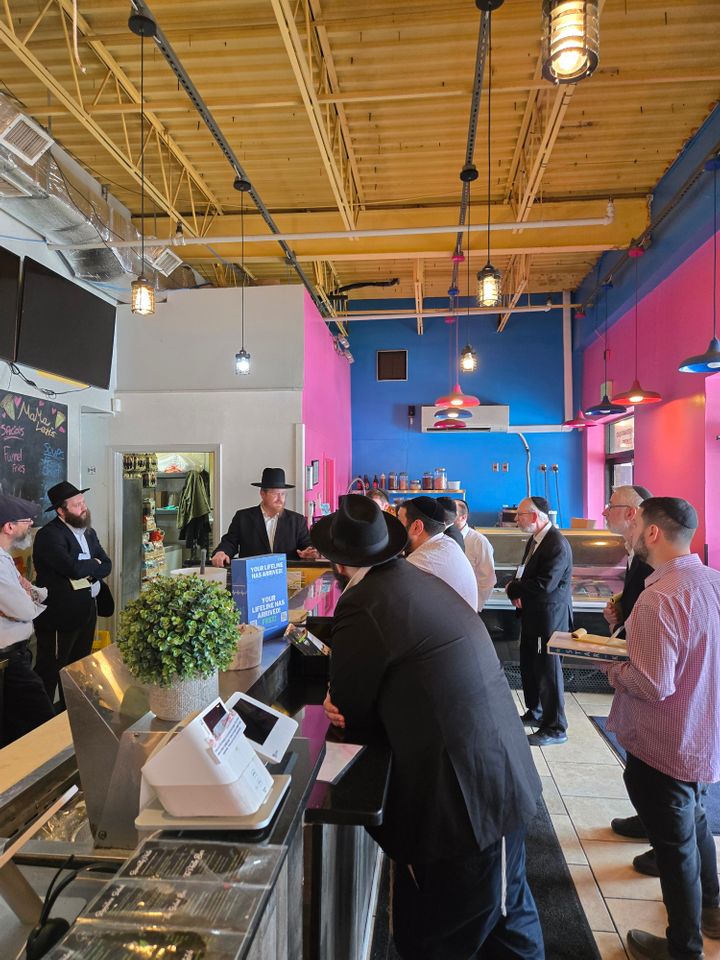
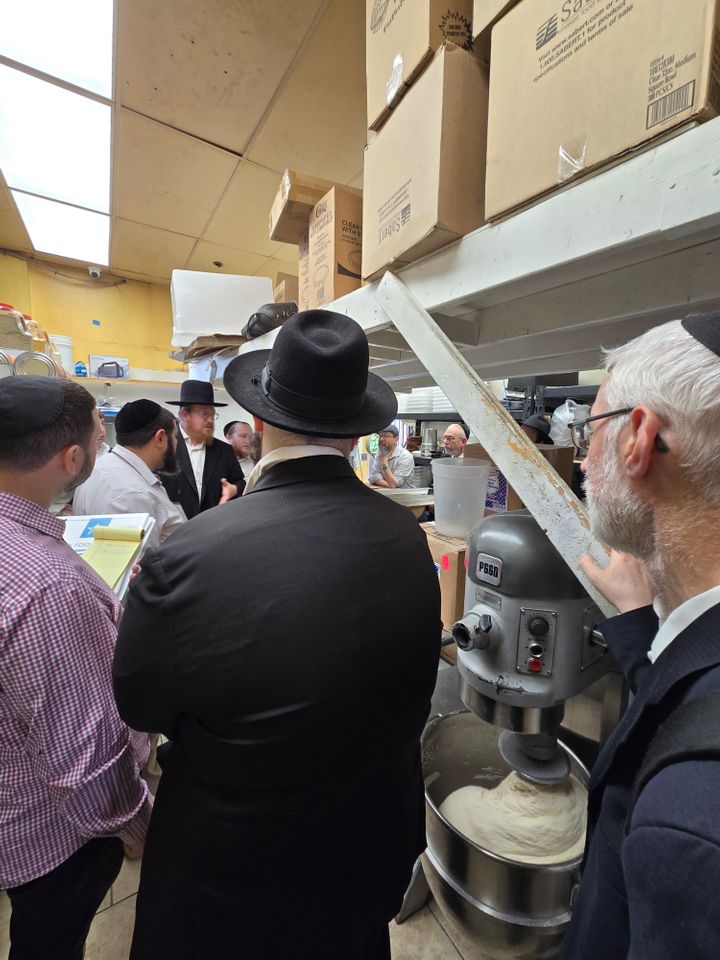
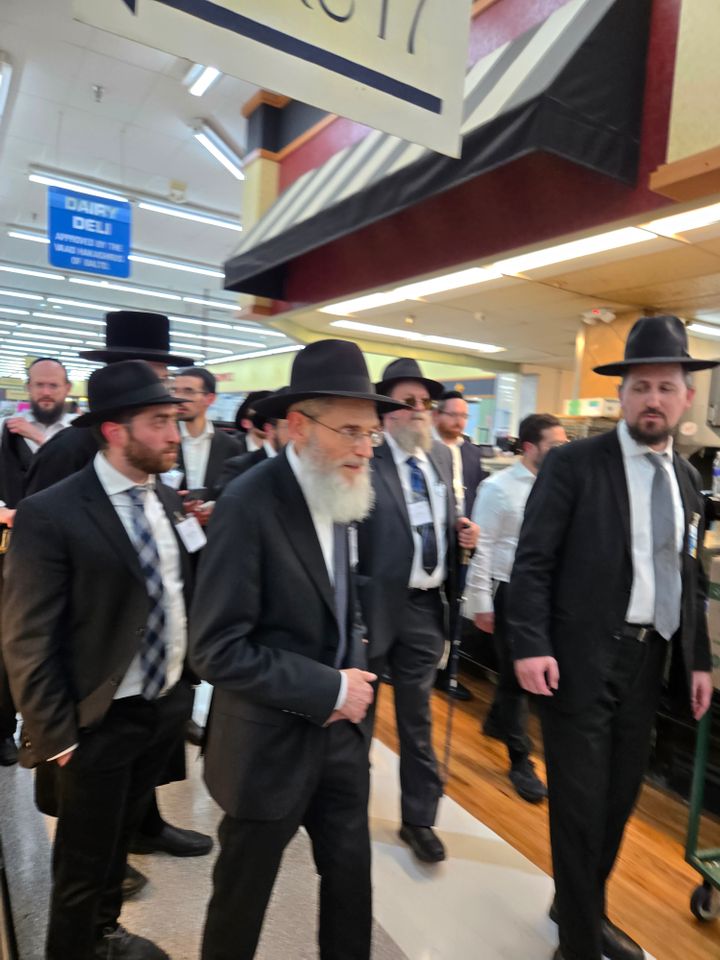
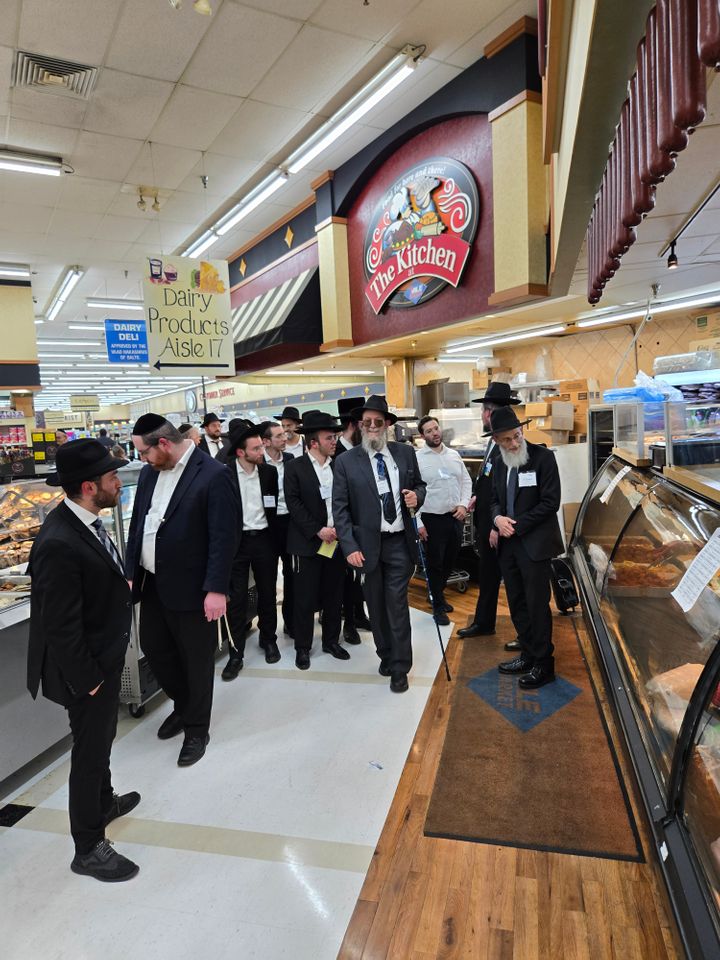
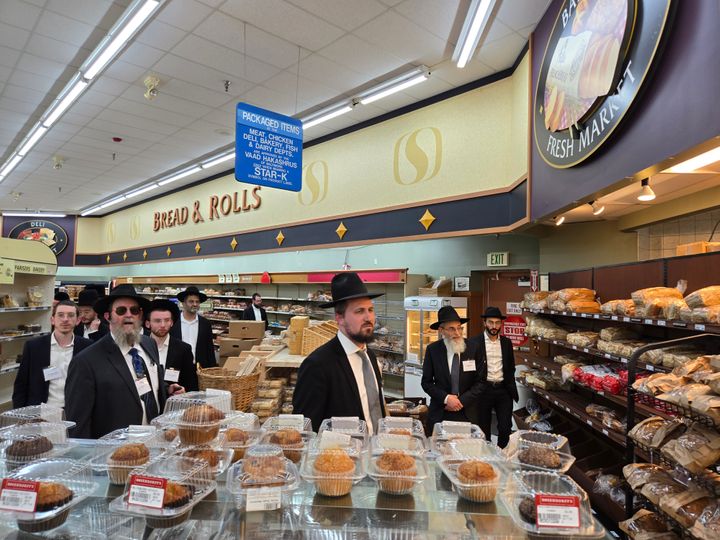
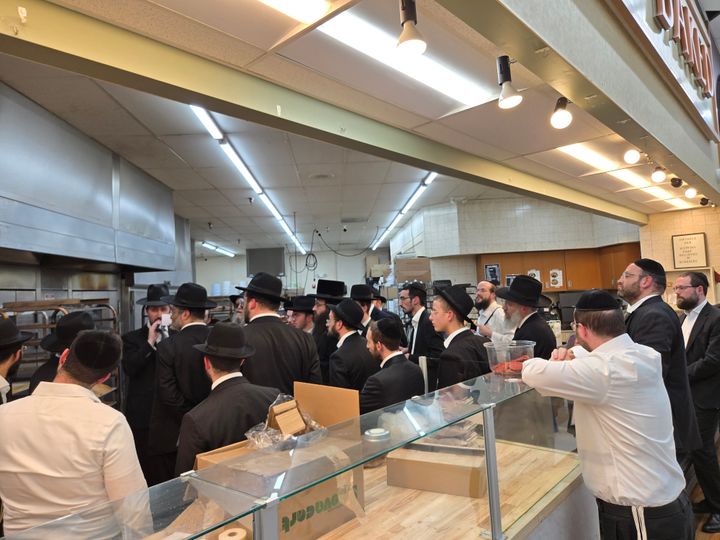
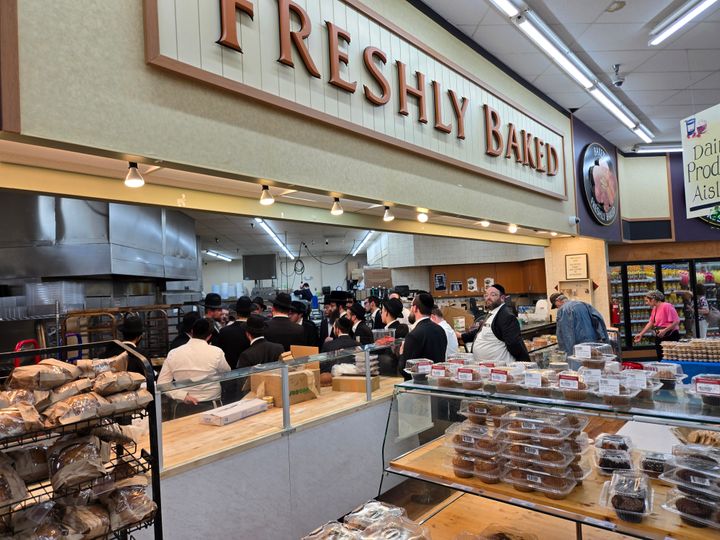
STAR-K Kashrus Administrator Rabbi Dovid Stern leads the Seven Mile Market Tour, with a focus on Rosendorf Bakery
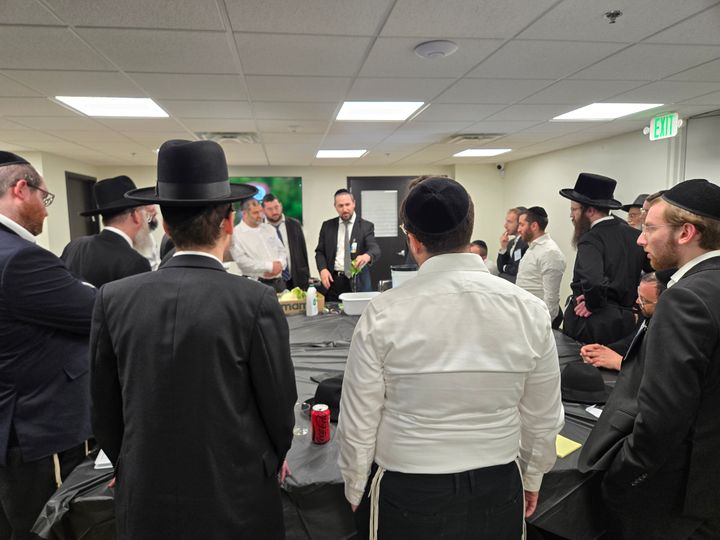
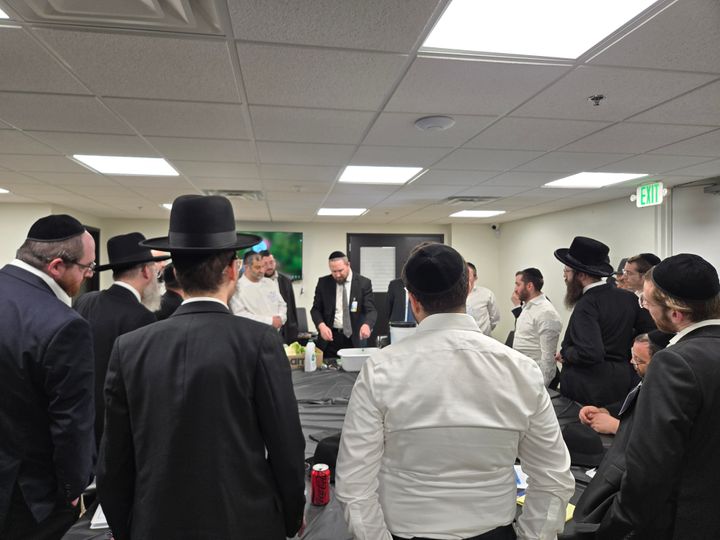
STAR-K Kashrus Administrator Rabbi Dovid Stern conducts hands-on vegetable checking demonstration
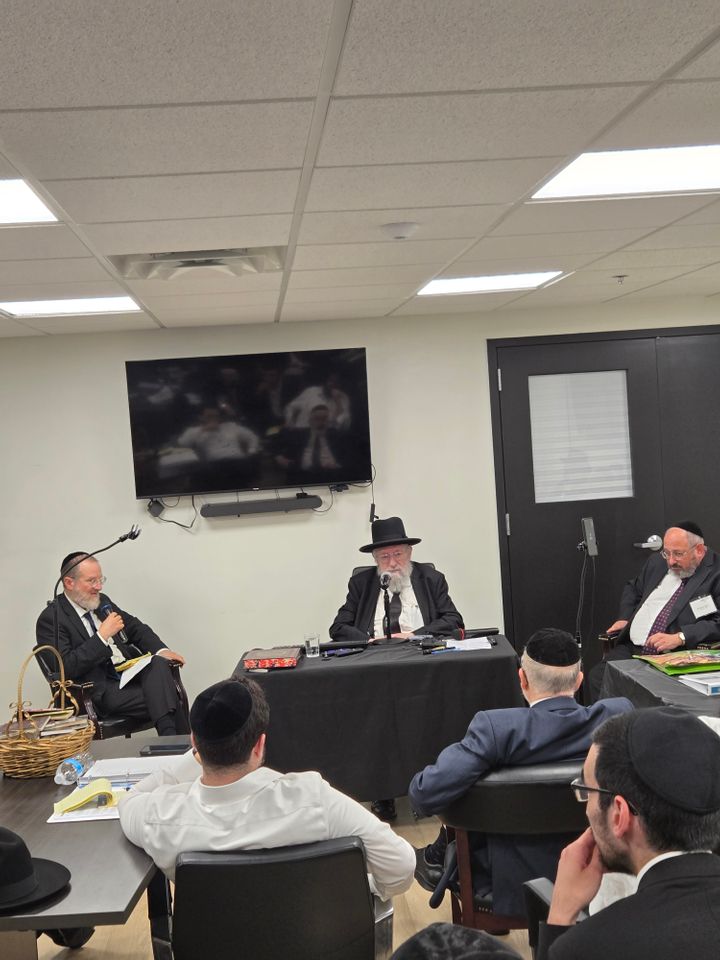
Rav Q & A
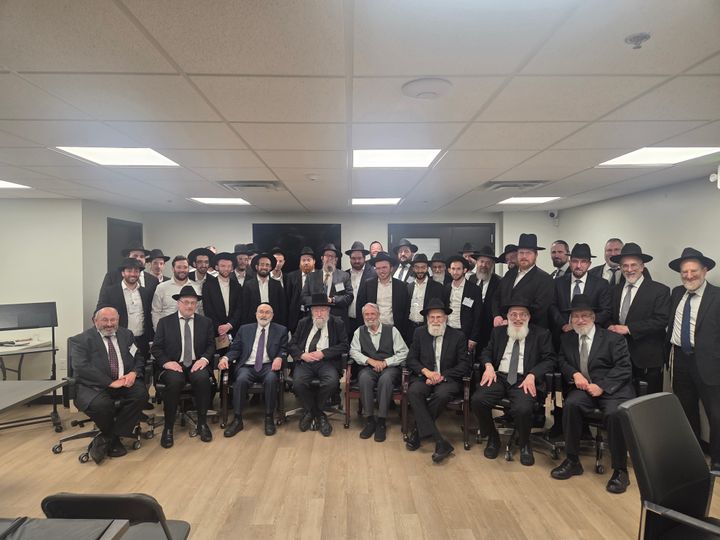
Participants of 2026 AnnualSTAR-K Kashrus Training Program
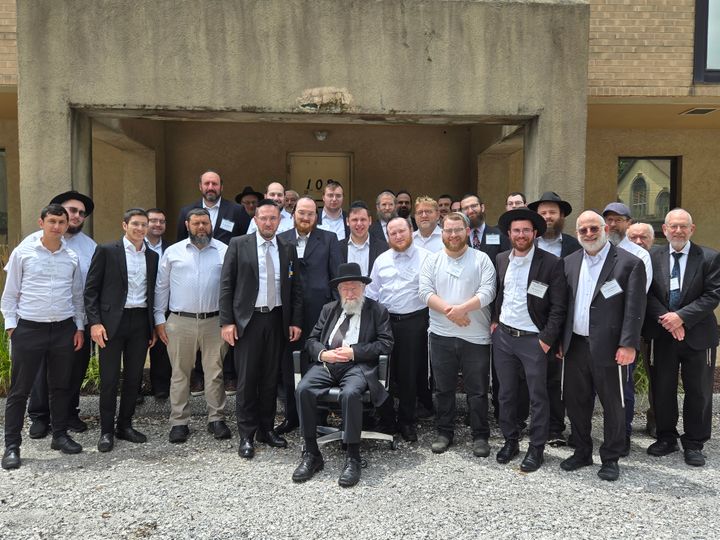
Participants of the Annual Food Service Seminar
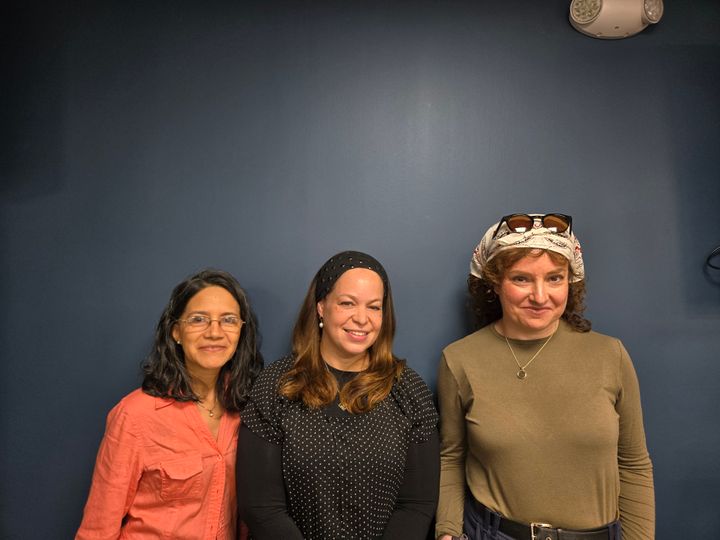
Participants of the Annual Food Service Seminar