The 2,000-year-old Ritual Bath that Excited the Kibbutz Members
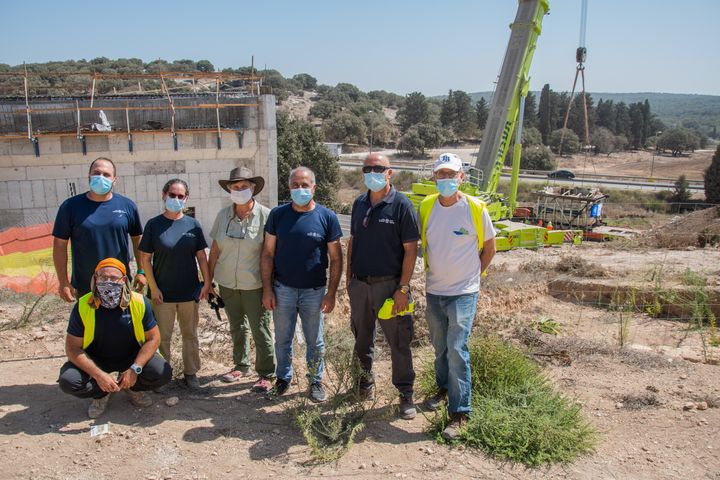
'Operation Mikveh': A 2000-year-old mikveh, a ritual bath, uncovered in salvage archaeological excavations by the Israel Antiquities Authority, at a Netivei Israel construction site, was transferred today to nearby Kibbutz Hannaton, and placed next to a modern functioning mikveh on the kibbutz.
The Ritual Bath is an Significant Discovery Providing Evidence for the First Time for Jewish Farmsteads in the Galilee in the Second Temple Period
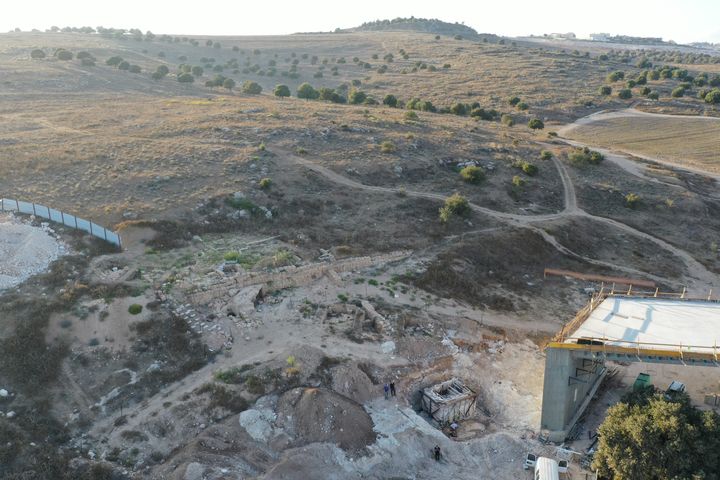
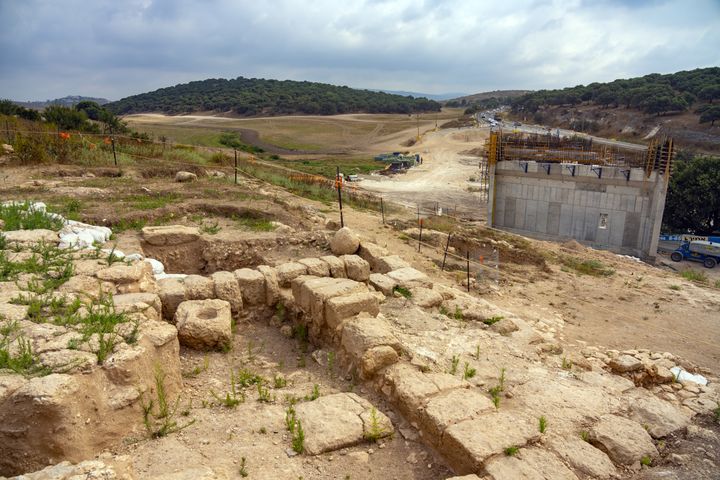
Prior to the construction of a major interchange at the Hamovil junction in Lower Galilee, an archaeological salvage dig carried out by the Israel Antiquities Authority revealed the remains of a Jewish agricultural farmstead from the Second Temple period (2000 years ago), including a magnificent mikveh. The excavations were conducted with the help of workers from the village of Kfar Manda, students of pre-military preparatory programs and volunteers from the vicinity, including residents of the nearby Kibbutz Hannaton.
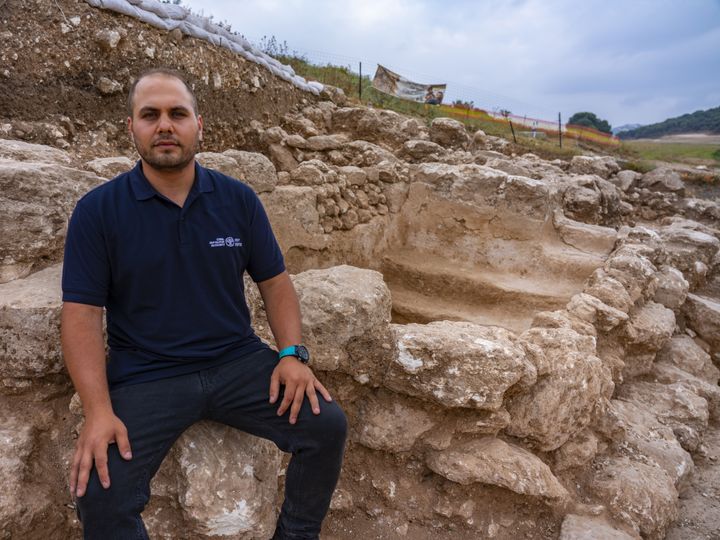
According to Abd Elghani Ibrahim and Dr. Walid Atrash, Directors of the excavation on behalf of the Israel Antiquities Authority, "The existence of a miqveh, a purification facility, unequivocally indicates that the residents of the ancient farm were Jewish, who led a religious and traditional way of life, and maintained purity as a Torah commandment. Ritual baths have been used in daily life by Jews since the Second Temple period and until today.
According to Ibrahim and Dr Atrash, "the discovery of the miqveh in the farmstead changes what we knew about the lifestyle of the Jews in the Second Temple period. Until now we hadn't discovered Jewish farms in the Galilee. It was considered that the Jews in the Roman period didnt live in farms outside the villages or towns. The discovery of the farmstead at some distance from the village of the Shikhin and the large Jewish town of Sepphoris, showefd that Jews also settled in farmsteads, that perhaps functioned as the rural hinterland of Sepphoris".
About seventeen hundred years have passed since the farm was destroyed in an earthquake, and about fourteen hundred years since the site was finally abandoned.
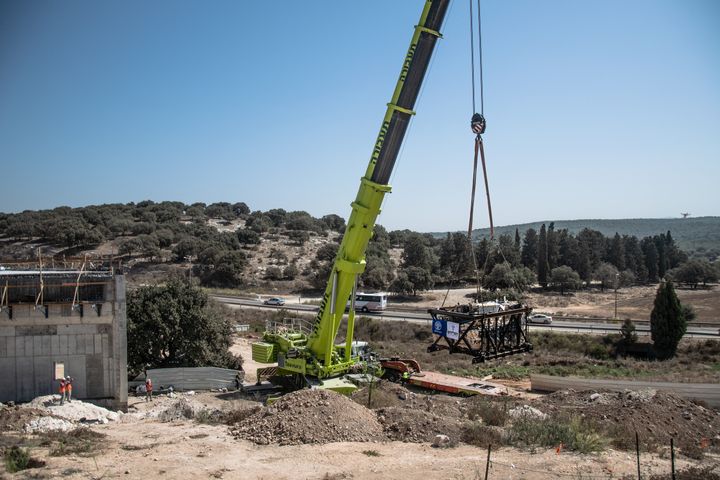
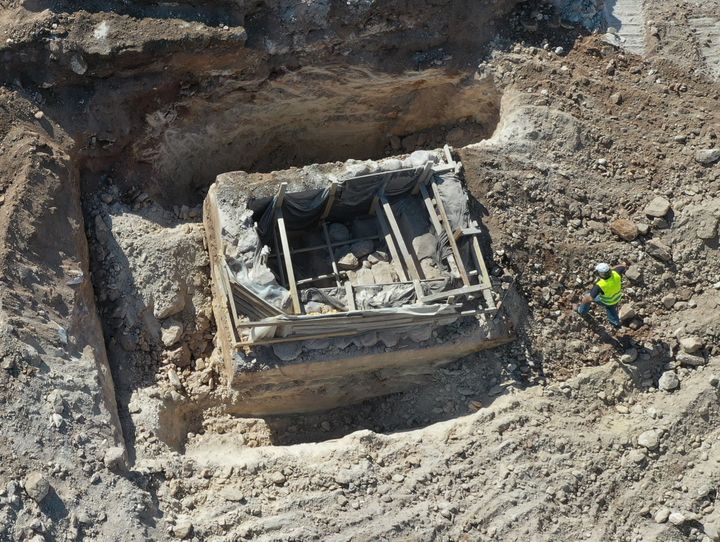
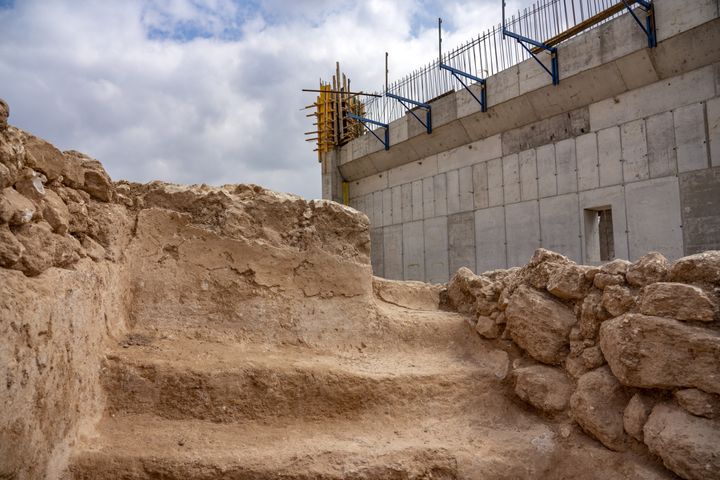
Recently, a huge highway interchange is being constructed over the valley. The need to anchor one of the supporting bridge columns, necessitated the constructing deep foundation trenches in the bedrock. As the archaeologists excavated next to the construction works, the mikveh was uncovered. Since it was not possible to preserve the mikveh on the site, the idea arose to detach the installation from the rock and to transplant it to a protected site for display, for the benefit of the public.
The Israel Antiquities Authority, together with members of Kibbutz Hannaton cooperated, and the kibbutz residents launched a crowd-funding campaign for the project, with the aim of placing the ancient mikveh next to the functioning mikveh on the kibbutz. In cooperation with the Israel Antiquities Authority, the Ministry of Jerusalem and Heritage, Netivei Israel, the Jezreel Valley Regional Council and the residents, the necessary funding was obtained to move the ancient mikveh.
In the past week, preparatory work for the transfer was carried out. The mikveh, whose weight is approximately 57 tons, was first sawed off on all sides, detached from bedrock and surrounded by a steel cage in order to protect it and allow it to be hoisted. Today, to the cheers of the residents, it was hoisted in the air and placed in its new place.
. צילום עבר אבראהים רשות העתיקות3..JPG?width=720&watermark=&hash=KWJ9bPUNA2e-mlMrSj-tVCHIi6NnVK3kyDdTG1uj-jc)
סרטון אוירי מהנפת המקווה והעברתו לקיבוץ היום. צילום: אמיל אלג'ם, רשות העתיקות.1
3-2. החווה החקלאית הקדומה ומקווה הטהרה (בתחתית התמונה). צילום עבר אבראהים רשות העתיקות
4. בית החווה הקדום ליד המחלף הנבנה. צילום יניב ברמן רשות העתיקות
7-5. חפירת המקווה והכנתו להעתקה. צילום-עבד אברהים רשות העתיקות
עבדאללה אבראהים, מנהל החפירה מטעם רשות העתיקות, ליד מקווה הטהרה שחשף. צילום יניב ברמן רשות העתיקות
9. מקווה הטהרה ליד המחלף הנבנה בצומת יפתחאל. צילום: יניב ברמן רשות העתיקות
10. אנשי רשות העתיקות וקיבוץ חנתון על רקע המקווה המונף לפני העברתו לקיבוץ. צילום יולי שוורץ רשות העתיקות
11. מקווה הטהרה הועתק מהשטח ומונף לצורך העברתו. צילום יולי שוורץ רשות העתיקות
12-14 מקווה הטהרה התקבל במעונו החדש בקיבוץ חנתון בתרועות ילדים, שהגיעו לחזות בהצבתו. צילום: אבי משיח, רשות העתיקות
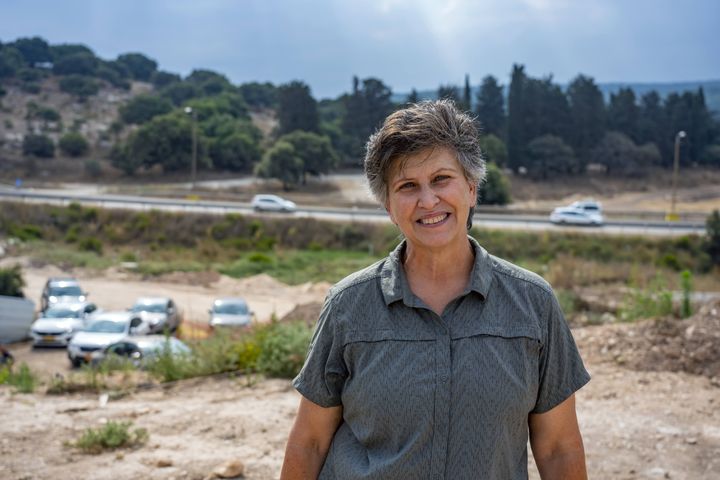
15. ענת הראל מקיבוץ חנתון. צילום: יניב ברמן, רשות העתיקות