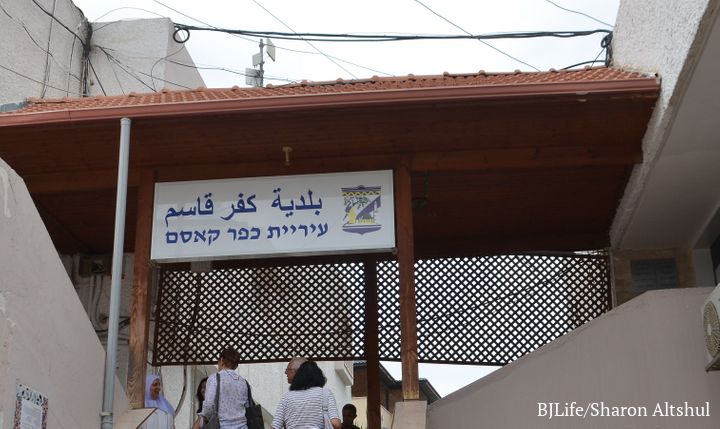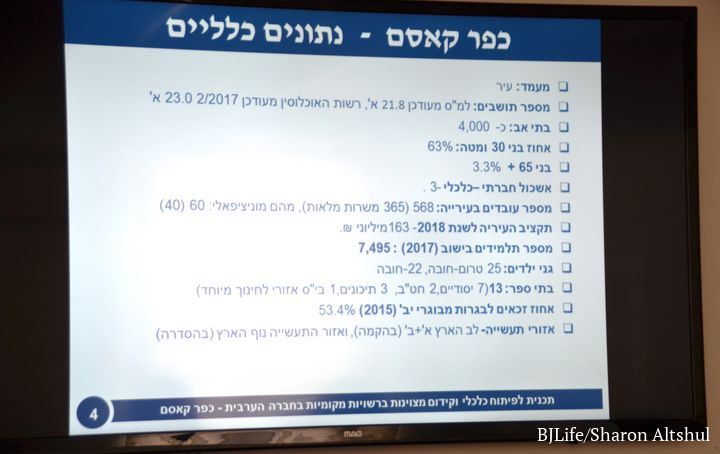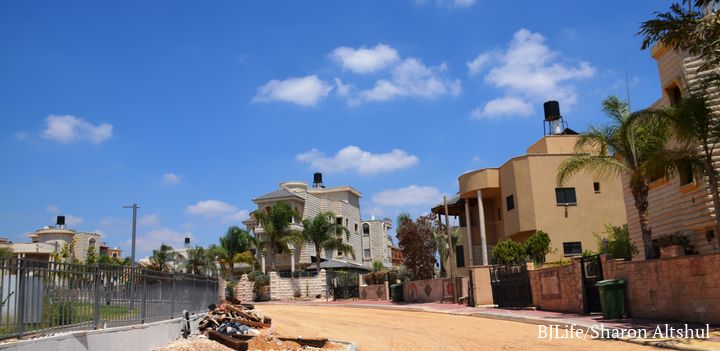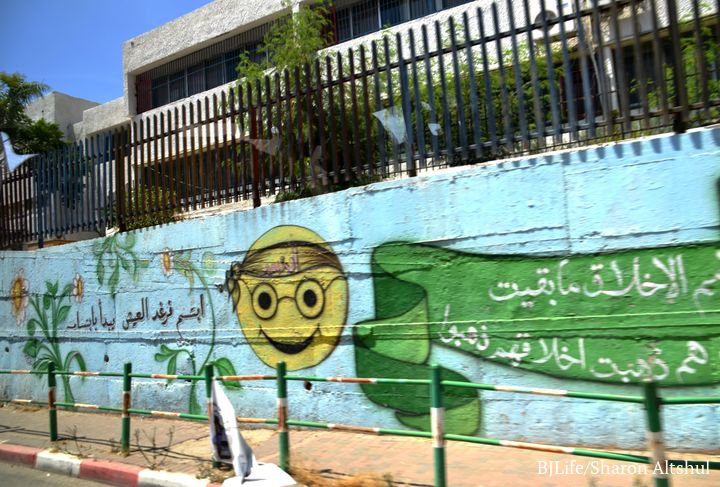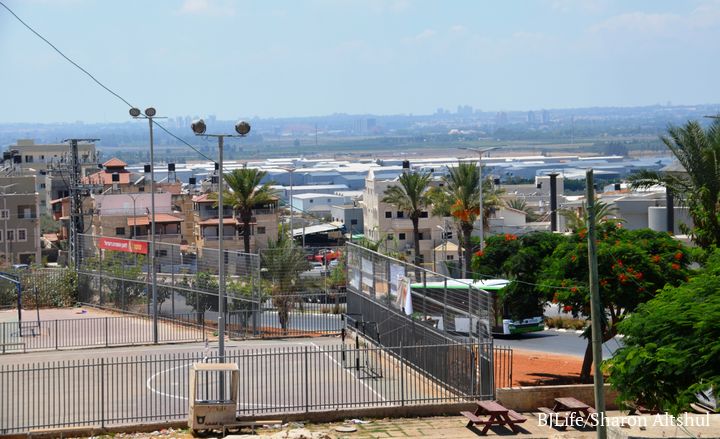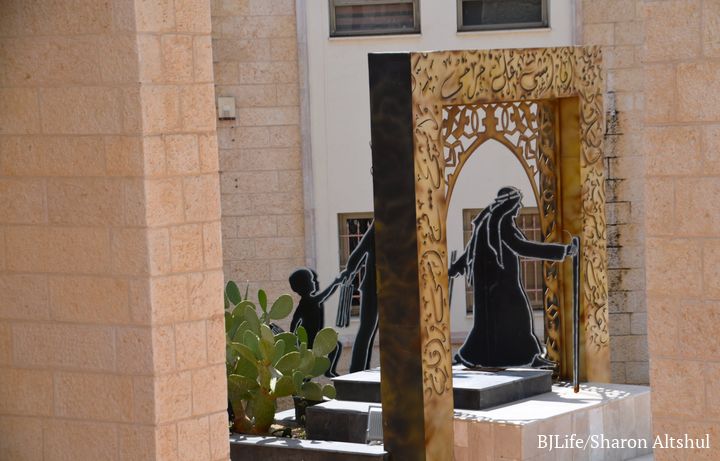
Jerusalem, Israel - Aug. 19, 2018 - Kfar Qasem, is not a village, but since 2008 an incorporated Israeli city with a population today of 24,000-28,000 residents. According to Mayor Adel Badir, an exact population count is hard to pinpoint as this centrally located Arab city is home to many doctors from the North, Bedouins, and people from Turkey, "one-third of population is from other places."
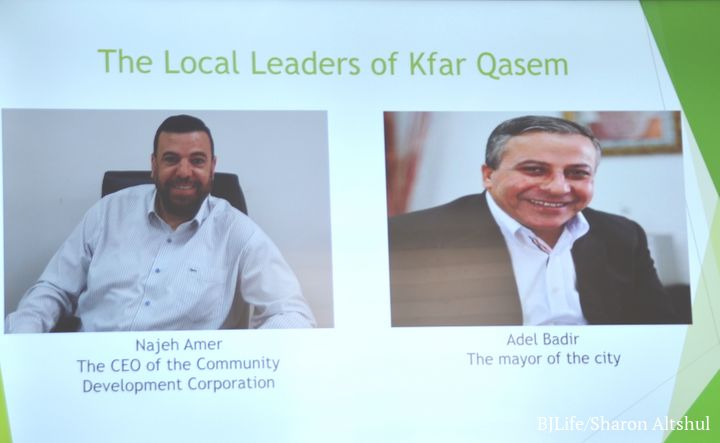
Recently at an exclusive meeting with Badir, City Hall General Director, Kobi Alon; Head of Kfar Qasim Economic Company, Najeh Amer; and co-CEO of Tsofen, Paz Hirschmann; sponsored by the Jerusalem Press Club, BJL was able to hear plans to make Kfar Qasem an Arab Hi-tech Center and also see part of the area.
In spite of a difficult history, as the town is known as the place where Sheikh Abdullah Nimar Darwish started the Islamic Movement and the location of the 1956 Kfar Qasem Massacre, Badir said, "Kfar Qassem does not want to focus on the painful story of the past, but to face the future."
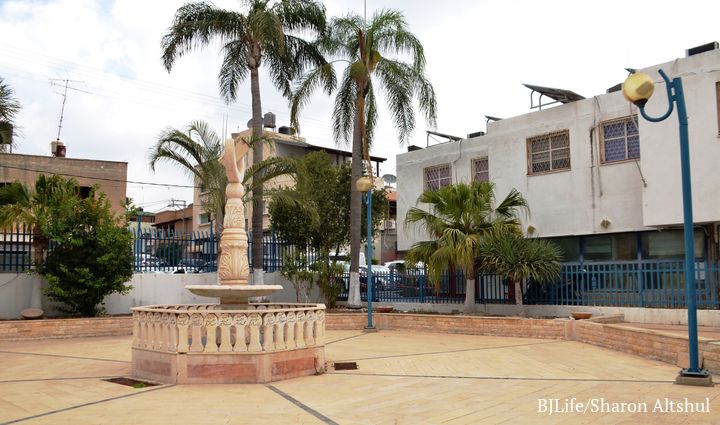
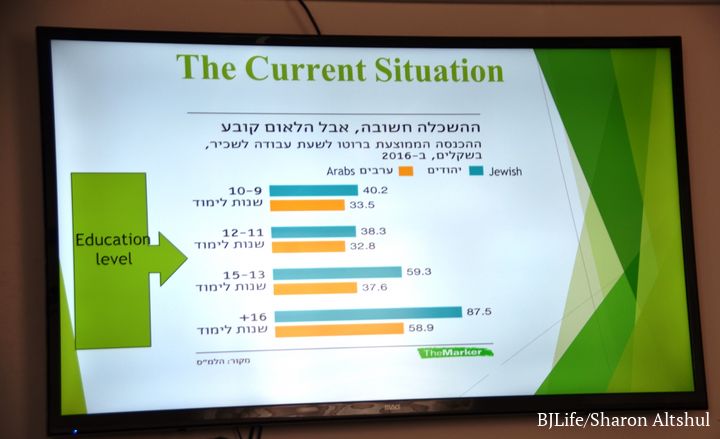
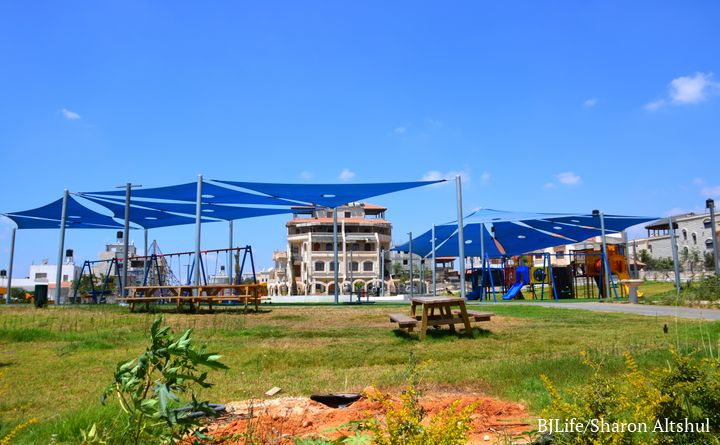
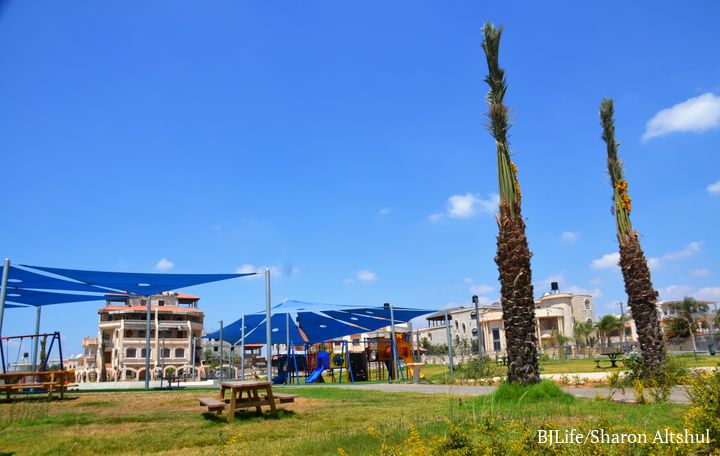
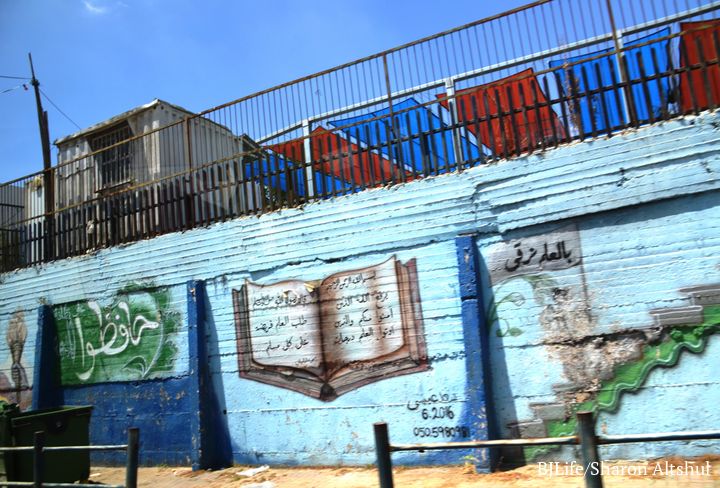
Taking office in 2014, Badir asked, "Where is beauty?" There were no parks. To begin to promote a better quality of life, a year of volunteering was introduced. Citing no discrimination, Jewish and Arabs worked together to plan, to collect taxes, to pave roads, to build sports fields and community center, and to close social gaps. Education is a high priority, as is raising the level of high school exams, and building nursery schools for town's 5,000 students as of 2017.
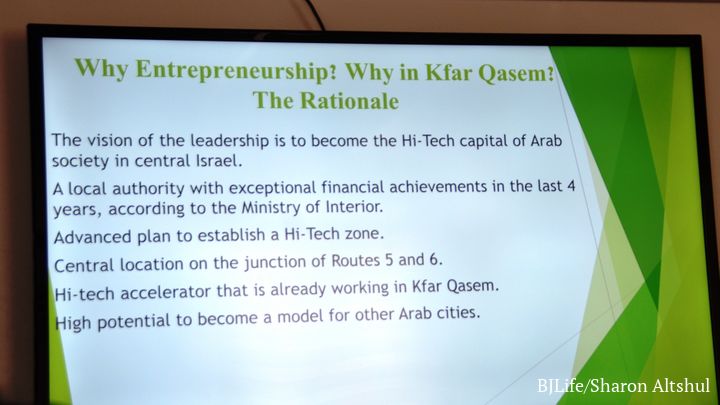
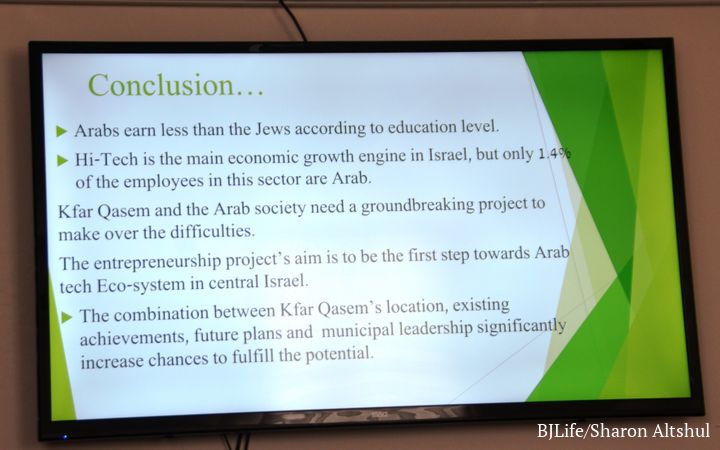
Though Knesset members and soccer players have come from Kfar Qasem, Hi-tech is the vision for the future. Named one of the 15 best Israeli cities, Kfar Qasem has broken ground for an industrial park, and has a business plan to generate income, to charge for parking and to make use of solar energy.
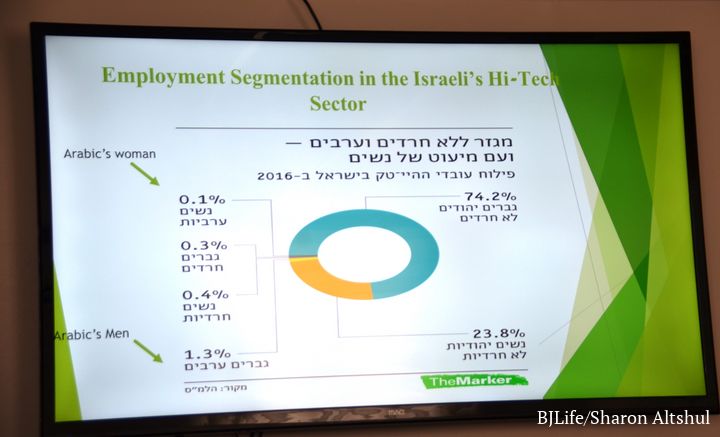
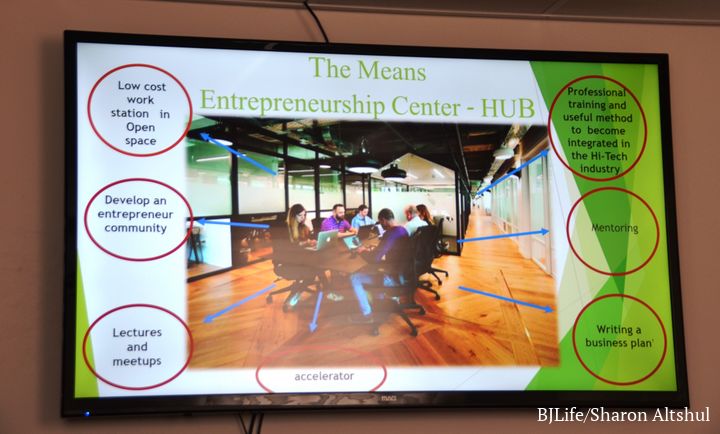
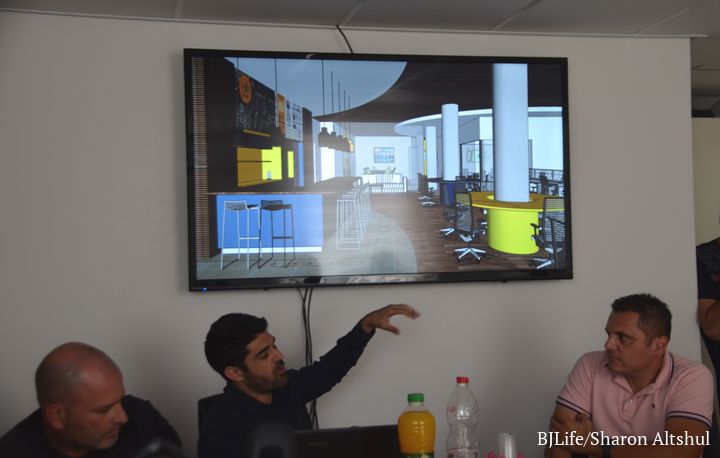
To raise the number of Arabs in the Hi-tech sector, along with developing an industrial park, an entrepreneurial HUB project is underway, with a site chosen and plans prepared. Israel is in need of qualified engineers and it might take years, but there is enough human capital to fill the gap.
In Nazareth, 80-90 companies, local startups and large companies, are already functioning in an industrial park. Venture capital money is still based in Tel Aviv, but Paz Hirschmann of Tsofen High Technology Centers, along with the municipality, believe that getting more Jewish Israelis into Arab cities in entrepreneurial businesses is good for Israel's future.
Mayoral elections are approaching, and Badir is opening a new park and playground. Much of the land is privately owned, which complicates planning. But he is counting on the vision of Kfar Qasem becoming a leading Arab tech eco-system, in its central location, near Routes #5 and #6, to get him reelected and to help build a better quality of life.