The Interactive “Sanhedrin Trail” is Presented to the Country in Honor of the 70th Anniversary of the State of Israel
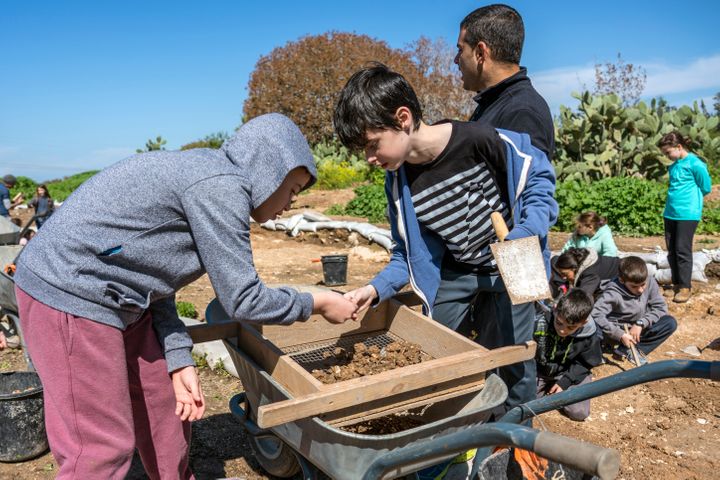
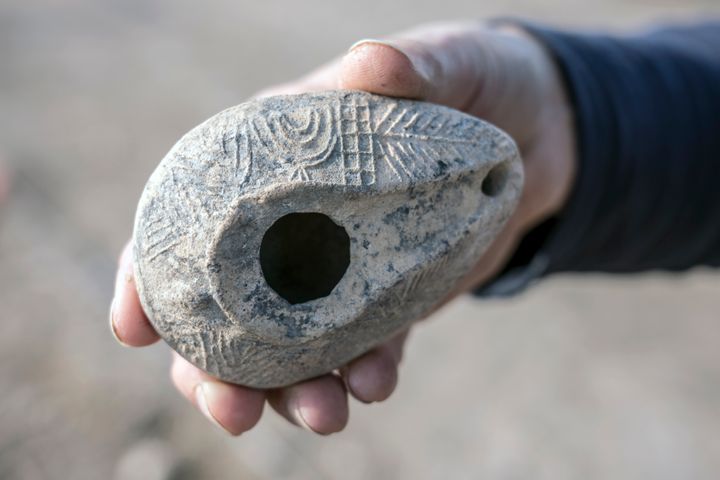
This year in the Galilee thousands of students are excavating and organizing the first “smart trail”, in which dozens of stones on the trail will transmit information and activities to hikers’ mobile telephones *** The trail will be presented as a gift to the country as part of the celebration of its 70th year of independence. The youngsters did not imagine that the symbol of the State of Israel would unexpectedly emerge from the ground in the form of a 1,400 year old oil lamp bearing the symbol of the Temple’s menorah
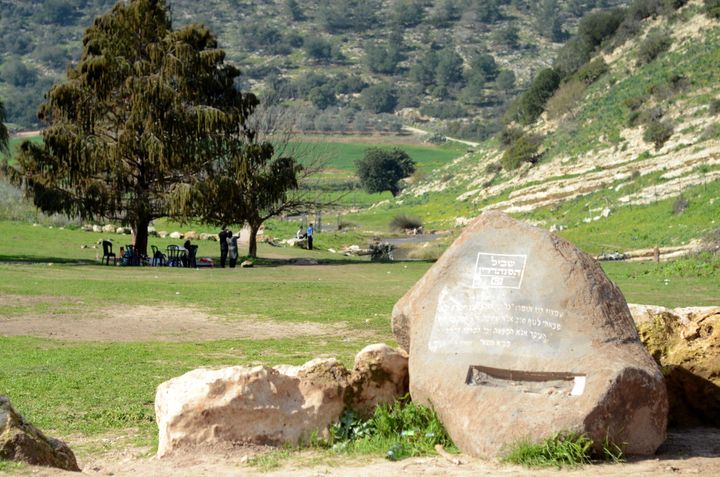
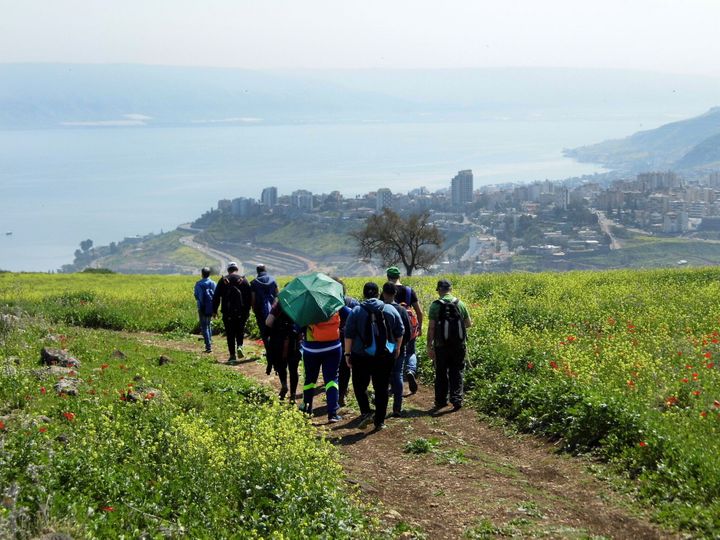
The trail, covering a distance of 70 kilometers and divided into sections, traces the movements in the Galilee of the country’s greatest figures – the Sanhedrin sages – and like them it crosses the Galilee from Beit She’arim to Tiberias
The week inaugurating the trail will take place immediately after Independence Day, and will be marked by free activities open to the public.
Students who participated in preparing a trail as a gift to the nation discovered a 1,400 year old oil lamp bearing a symbol of a menorah. On the occasion of Independence Day, the Israel Antiquities Authority is opening the Sanhedrin Trail – a unique interactive trail that thousands of young people are preparing and excavating, and will be presented to the country in honor of our 70th year of independence. The trail will be accompanied by a unique web application that will serve as a readily accessible “independent guide” in the spectacular landscapes of the Galilee, and will offer a different sort of hiking experience for families, individuals and groups.
The trail stretches across the Lower Galilee and is 70 km long (in five walking segments). It is dedicated to 70 great people, the Sanhedrin sages who rehabilitated the Jewish people following the Bar Kokhba Revolt, and is presented to the State of Israel and its citizens as a gift for the 70th year, in a series of free activities along the route and in events attended by thousands of school children.
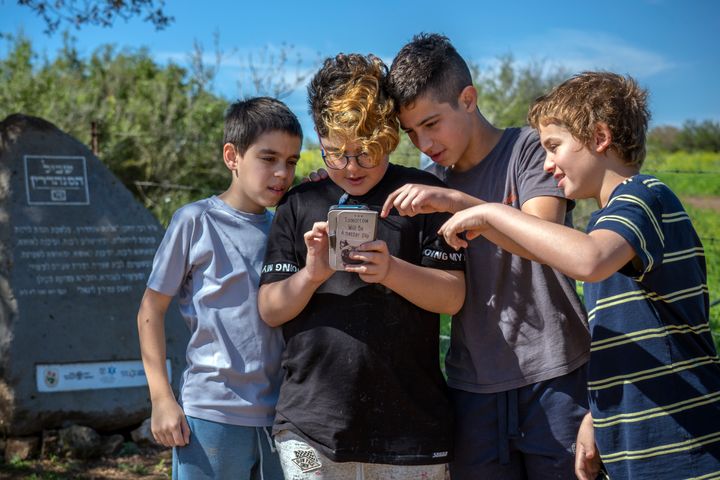
Dozens of large “smart” stones, each constituting a kind of relay station situated along the trail, will transmit relevant useful information and activities directly to the hikers’ mobile telephones. The new web application that “communicates” with the stones offers information about the recent and ancient history of the Galilee, flora and fauna, landscape, observation points and attractions. The application, which is currently in an advanced stage of development, is already operational today, and it is now possible to use it while hiking along parts of the trail. Details (Hebrew) at www.shvila.co.il.
The IAA’s educational-tourism flagship project is being implemented in cooperation with the Ministry of Jerusalem and Heritage – Landmarks Project, Ministry of Finance, National Religious Education Administration (Hemed) and the Shelah Department of the Ministry of Education, municipalities, local and regional councils, Nature and Parks Authority, Jewish National Fund and others.
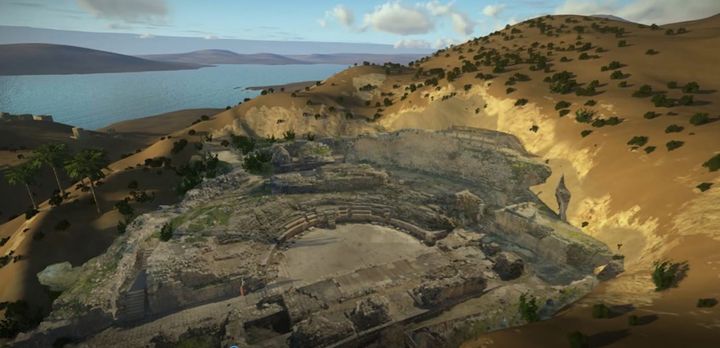
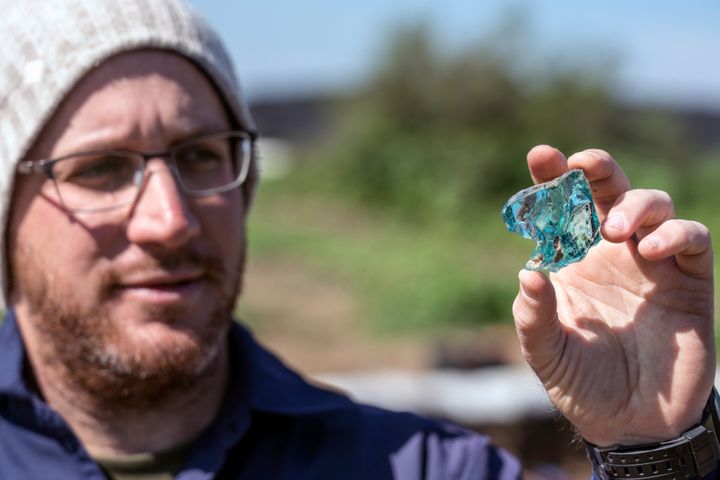
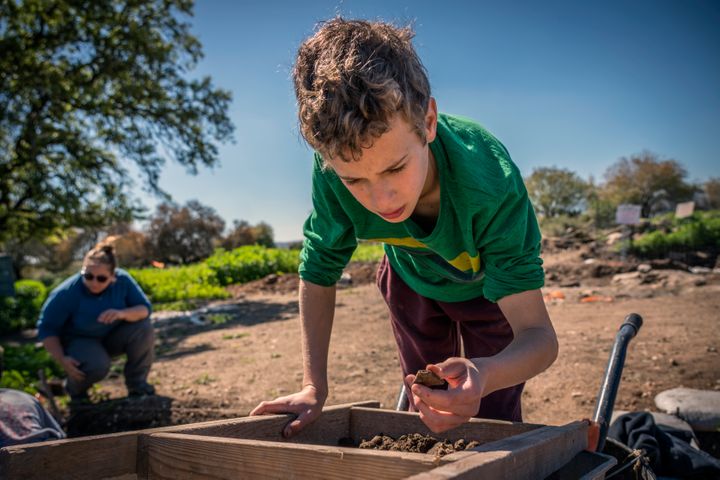
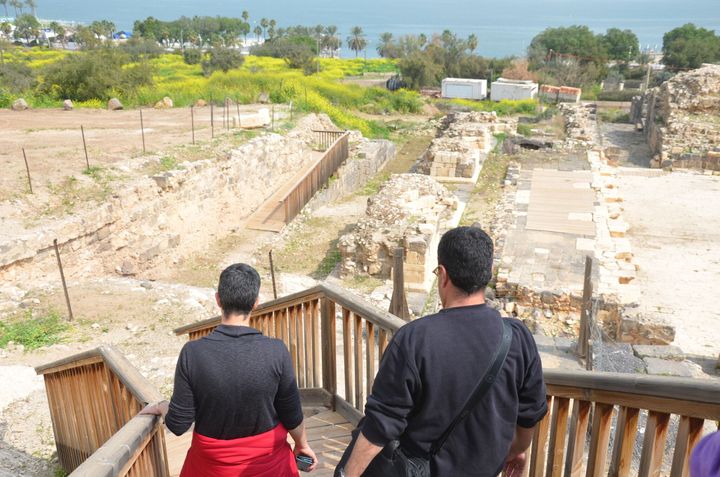
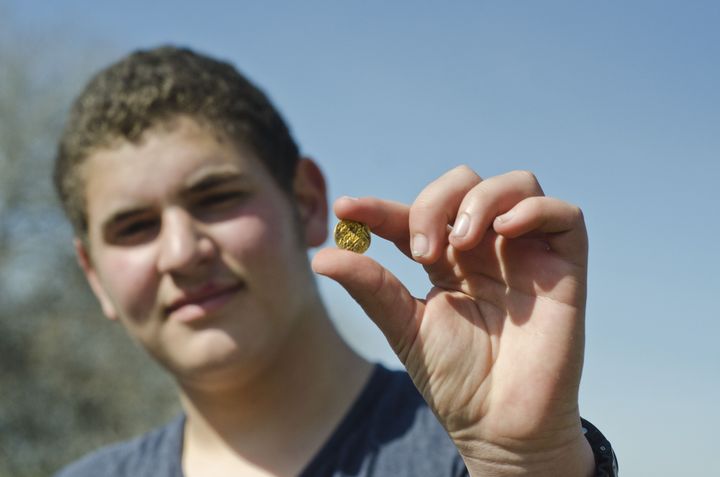
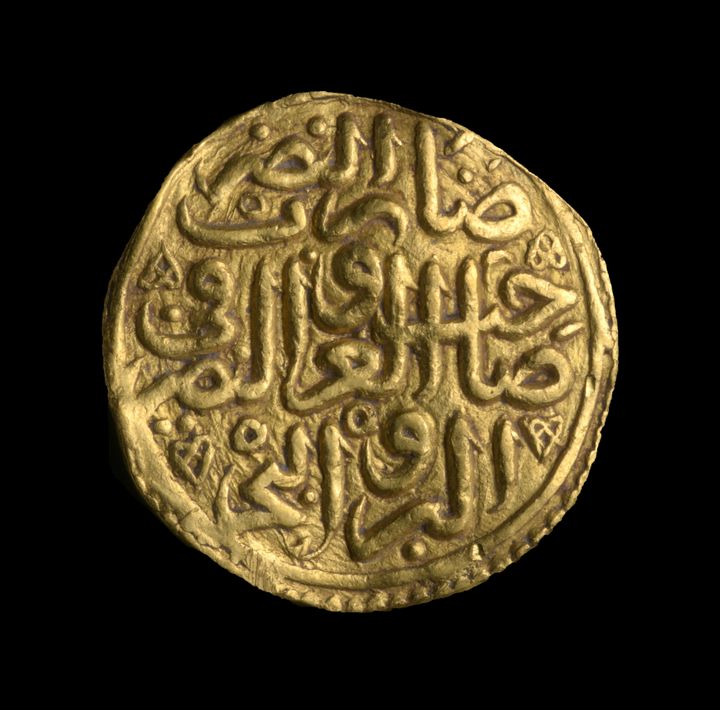
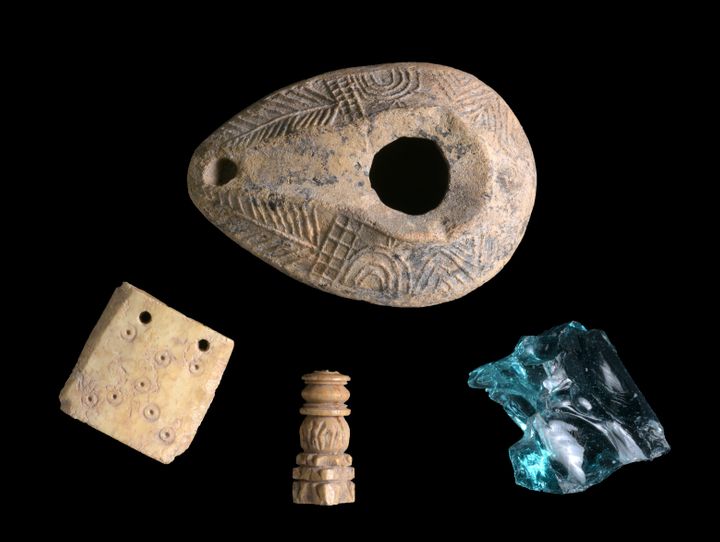
As part of preparing the trail, and symbolically before the 70th anniversary of Israel’s independence, the youth are revealing our story – a story of the rebirth of the Jewish people, in archaeological excavations at Horbat Usha, the first place where the Sanhedrin relocated after the Bar Kokhba revolt and where Rabbi Yehuda HaNasi, codifier of the Mishnah, spent his childhood. The students uncovered material remains from the time of the Sanhedrin: evidence of the glass industry that is also mentioned in rabbinical texts, as well as ornamental items dating back 1,800 years. A particularly special surprise that was discovered while excavating the trail was an intact oil lamp decorated with the menorah symbol, dating to the Byzantine or Umayyad periods. According to Dr. Einat Ambar-Armon, an archaeologist with the Israel Antiquities Authority and an expert on ancient clay lamps, “Unlike the modern day symbol of the state in which the Temple’s menorah is depicted with seven branches and a single broad base, the menorah engraved on the ancient lamp has eight branches and a three-legged base. The discovery of a lamp decorated with a menorah, a symbol of the Jewish people, is without doubt exciting, especially at a site with such a unique heritage in part of the Sanhedrin Trail”. Another fascinating discovery that occurred during in the excavation of the trail is that of Ilai Yonah, a student at Ha-Moshava High School in Zikhron Yaʽakov, who found a gold coin on the trail – only two others exist in the State Treasures – bearing an inscription of the sultan Suleiman the Magnificent, builder of Jerusalem’s city walls.
The Sanhedrin settled in Usha, and then moved on to Shefarʽam, Bet She’arim and Zippori until it was finally established in Tiberias. The route the Sanhedrin Trail follows is divided into sections for the convenience of hikers; it crosses the Galilee along nature sites and through magnificent landscape, such as Nahal Zippori, Yodfat, Mount Arbel, Mount Atzmon, etc.
According to Israel Hasson, director of the Israel Antiquities Authority, “The new trail and the discoveries along it are a celebration for the citizens of Israel on the occasion of 70 years of independence and a gift from thousands of young people who invested so much of their energy in developing it. This is a flagship project that connects the future generation preparing the trail to its heritage and to the Jewish people’s great and inspiring leaders. The trail is a groundbreaking endeavor utilizing state-of-the-art technologies in order to connect with our roots. The project will be further developed in the coming years, creating continuity from the distant past to the future, which will be used by hikers in Israel today and, hopefully, future generations as well".
According to Yair Amitzur, an Israel Antiquities Authority archaeologist who conceived the idea of the trail, “The Sanhedrin Trail is a huge project incorporating within it the values of nature, environment and history and is where the cultures of all of today’s populations in the Galilee meet. There is no other a trail in Israel that utilizes such an application, and in this respect, we the archaeologists are making history”.
The inauguration of the trail will take place immediately after Independence Day, on April 22-26, at which time there will be marches and activities for thousands of students and young people, each day on different section along the trail. Free activities are planned in the afternoon for families and the general public where one can experience the trail and try out an initial version of the web application, participate in an archaeological excavation and more. Details (Hebrew) are available at the IAA'S Facebook page "רשות העתיקות –לגעת בעבר"